Winning More Hands with Smart Bridge Games Decisions
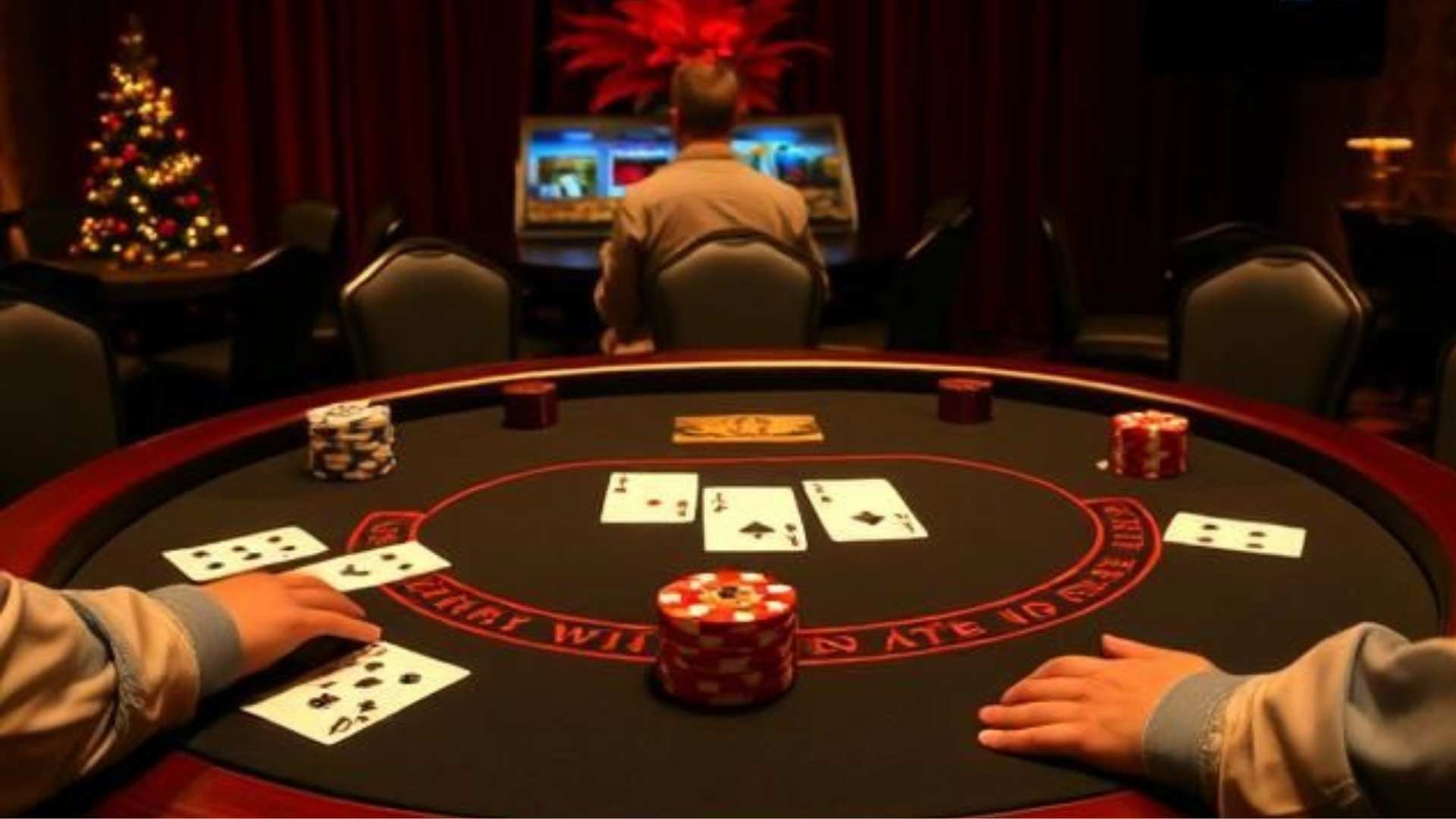
Contract bridge is a game where small differences in judgment separate average players from true masters. Achieving consistent victories requires a blend of sharp memory, disciplined communication, and real-time calculation. By shifting your focus toward making calculated tactical judgments at every stage, you can systematically increase your overall percentage of successful contracts.
The Value of Precise Bidding Information
The foundation of any successful hand begins long before the first card is played to a trick. Effective partnerships treat the auction phase as a critical information-gathering mission rather than a race to name a final contract. Every bid made should systematically narrow down your partner's exact distribution and high-card point strength.
When players establish a clear understanding of basic conventions, they minimize the risk of costly defensive errors. Navigating intense competitive auctions requires cool analytical thinking under pressure, especially when opponents attempt to disrupt your flow. Prioritizing clear communication over risky, speculative bids ensures that your partnership stays on a secure path toward a scoring game.
Formulating an Early Plan as Declarer
Once the opening lead hits the table, a great declarer pauses to analyze the full layout before touching a single card from the dummy. This precise moment is when the entire strategy for the hand must be constructed by counting both immediate winners and potential losers. Rushing into the initial tricks without a plan often results in mismanaging crucial entry points between both hands.
To secure additional tricks, intermediate players often find inspiration through online strategy guides or entertainment platforms like Mansion88 to sharpen their focus during downtime. Developing a flexible plan allows you to decide exactly when to draw the outstanding trump cards and when to set up a long side suit instead. Adapting your line of play based on unexpected card distributions is a true hallmark of strategic maturity.
Maximizing Defensive Synergy
Playing defense is widely considered the most intellectually demanding phase of any competitive card match. Unlike the declarer, who commands two visible hands, defenders must operate with incomplete information while relying heavily on their partner's signals. Paying close attention to the opening lead and subsequent discards will help you mentally reconstruct the declarer's hidden hand.
Standard signaling methods enable partners to exchange vital details regarding card length and specific honor values smoothly. For instance, an intentional high-low discard can inform your partner exactly where your defensive strengths lie. Maintaining tight coordination across the table prevents the declarer from stealing extra tricks through simple finesses.
Refining Skills Through Consistent Analysis
Long-term improvement in card gaming is heavily dependent on regular, structured practice and retrospective hand analysis. Reviewing your past tactical mistakes allows you to identify repetitive errors in card placement or bidding logic. Over time, recognizing specific layout patterns becomes a fluid, near-automatic process that enhances your decision-making speed.